Institutional Profile 2026
Awqaf New Zealand
الأوقاف النيوزيلندية
"Sustainable Life — An Endowment That Inspires and Enriches"
"Sustainable Life — An Endowment That Inspires and Enriches"
Awqaf New Zealand is a charitable trust incorporated under the Charitable Trusts Act and has been a registered charity in New Zealand since 2011 — Registration No. CC46694 — regulated by Charities Services (Ngā Ratonga Kaupapa Atawhai). Our governance, officers, annual returns and financial statements are held publicly on the official Charities Register.
⚖️ Verify our registration on the NZ Charities Register →As a registered New Zealand charity, we file annual returns and financial statements that are publicly available. Our latest performance report is below; full annual returns are held on the official Charities Register.
Our filed accounts show substantial activity in 2017 and 2018, and near-nil income in the years since. That gap is deliberate, and we would rather explain it here than leave it to be inferred.
In designing our Temporary Cash Waqf instrument we identified a question of Islamic jurisprudence at the centre of our own model that we could not resolve on our own authority: whether cash endowed for a fixed term and then returned to its founder is a waqf at all, or in substance a benevolent loan (qard hasan). We raised that question against our own interest, and we stopped. It has been put to a specialised international forum, and no capital will be sought until a ruling is given. No units have been offered, and none are available.
The intervening years are on the public record rather than asserted: the codification of the dual-contract structure; a feasibility study published together with the objections against it and a visible revision history; and the Qurbani Utilisation Index, released under an open licence with a permanent DOI so that others can replicate it.
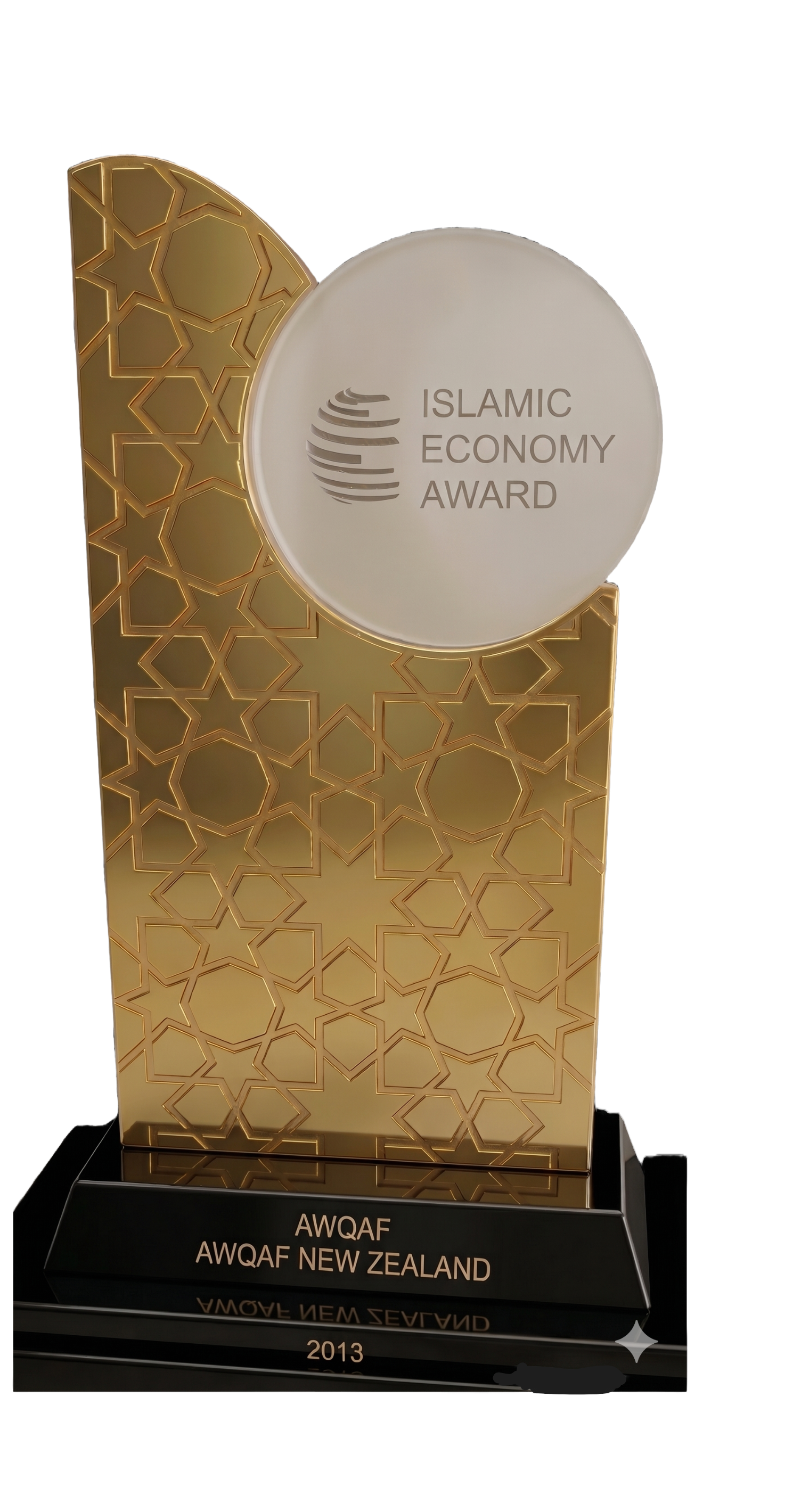
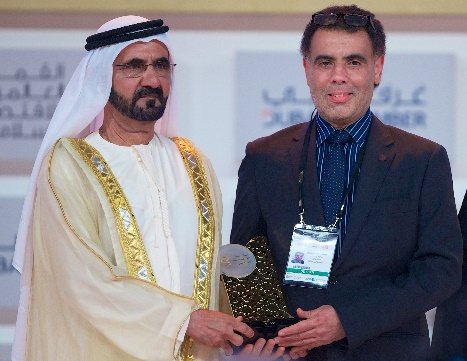
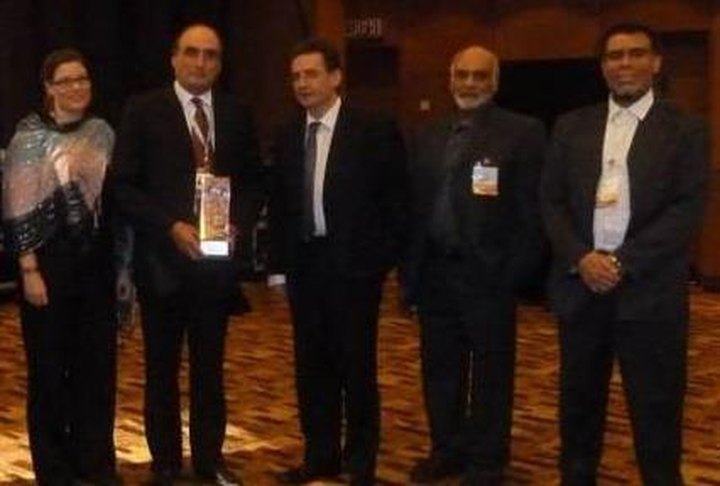
In 2013, driven by our Zero-Waste Qurbani objective, Awqaf New Zealand set out to re-engineer the modern Awqaf industry — developing a digital, temporary cash-waqf model. That work was recognised by the Islamic Economy Award 2013 in the Waqf Category, and its foundational structure was put to the ISRA Council of Scholars in Kuala Lumpur, which approved it in general on 3 November 2016, signed by nine scholars. The model has developed since and has not been re-reviewed.
Awqaf New Zealand is a pioneering waqf institution established in 2011, specialising in developing innovative, Shariah-compliant endowment solutions that empower vulnerable communities worldwide. Operating from New Zealand with a growing global humanitarian footprint, the organisation's purpose is to turn underutilised charitable resources into sustainable waqf revenues.
We run relief and development programmes without discrimination, guided by the enduring principle of Islamic endowment: lasting benefit for beneficiaries and for future generations.
From a volunteer initiative in 2011 to a globally engaged pioneer of temporary cash waqf — the milestones of a fast-moving fifteen-year journey:
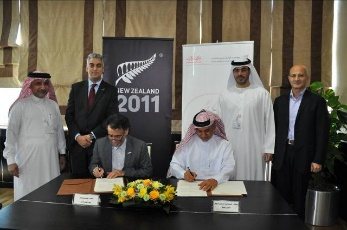
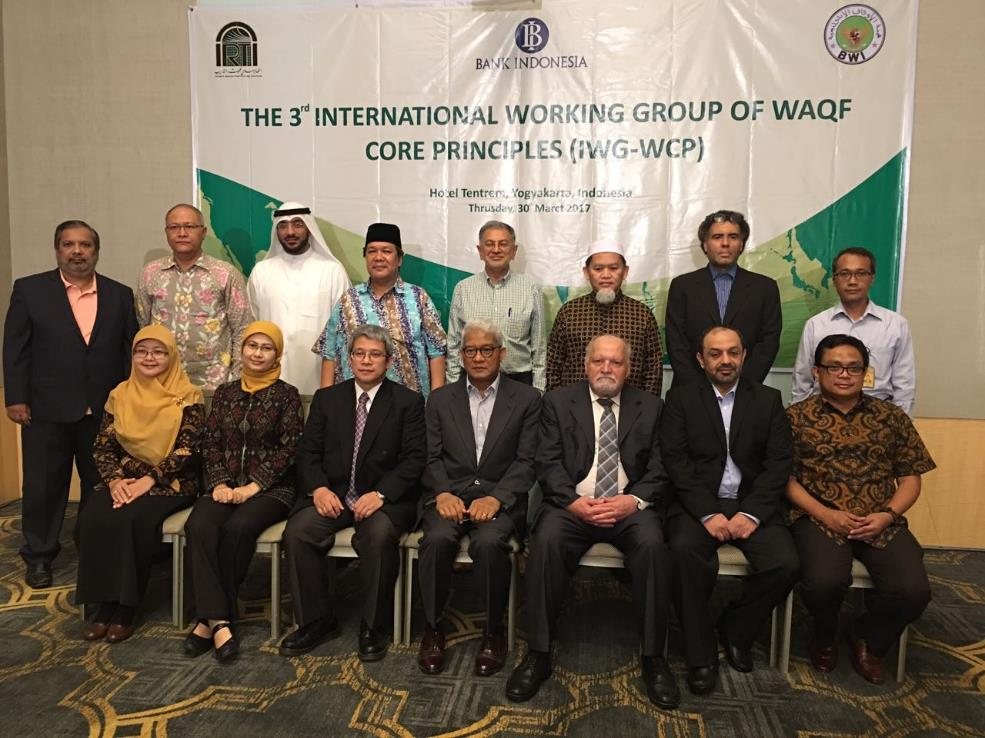
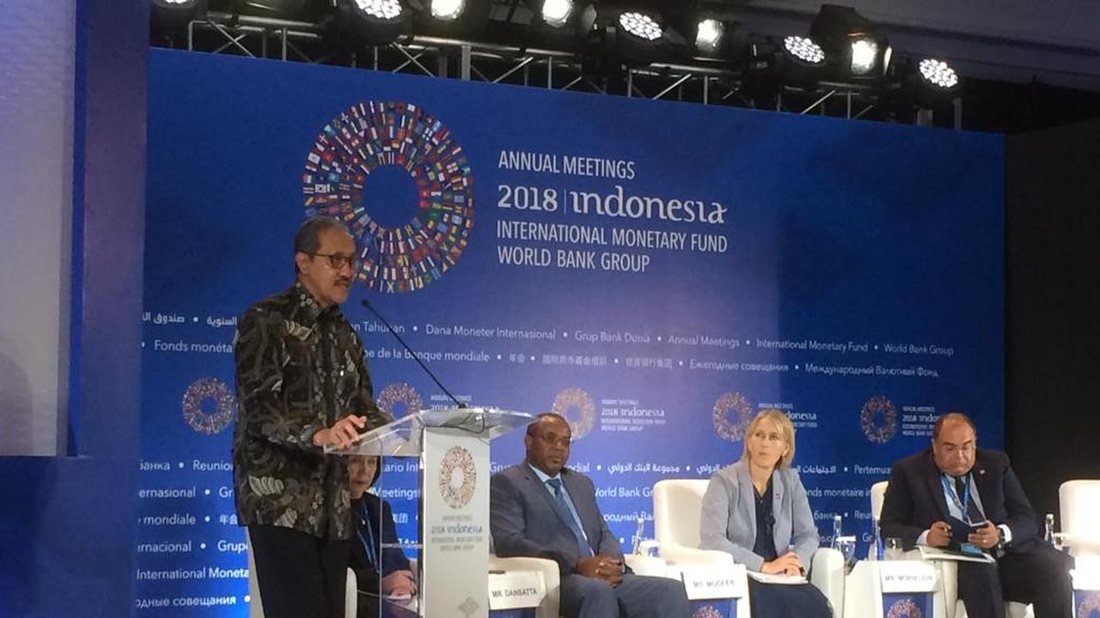
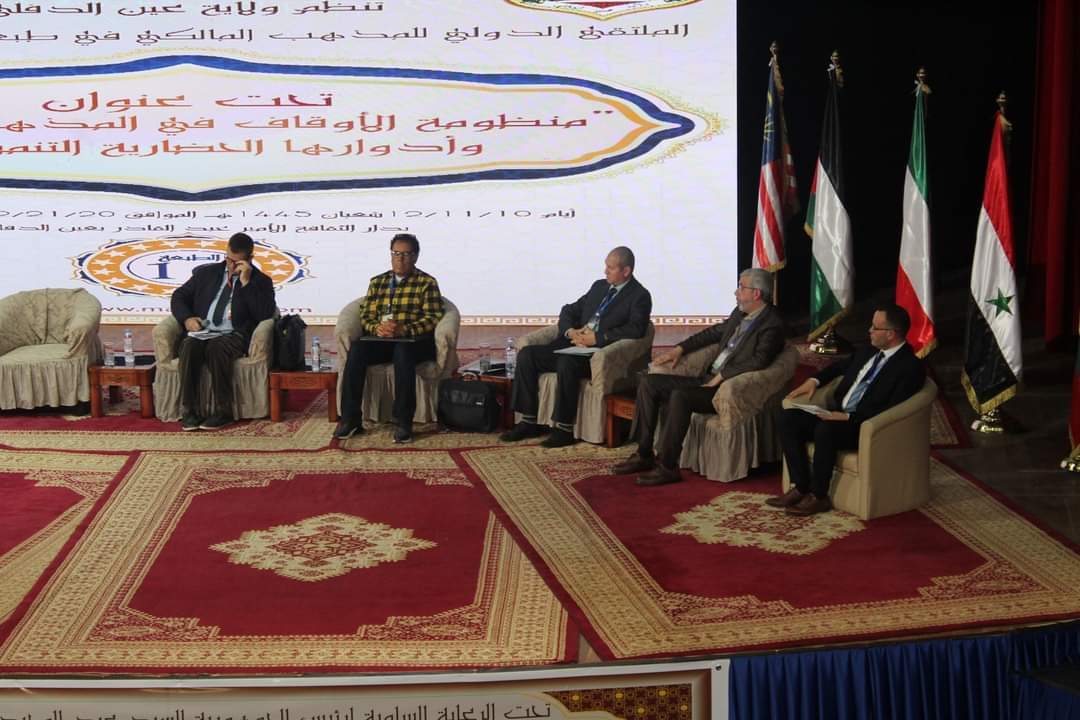
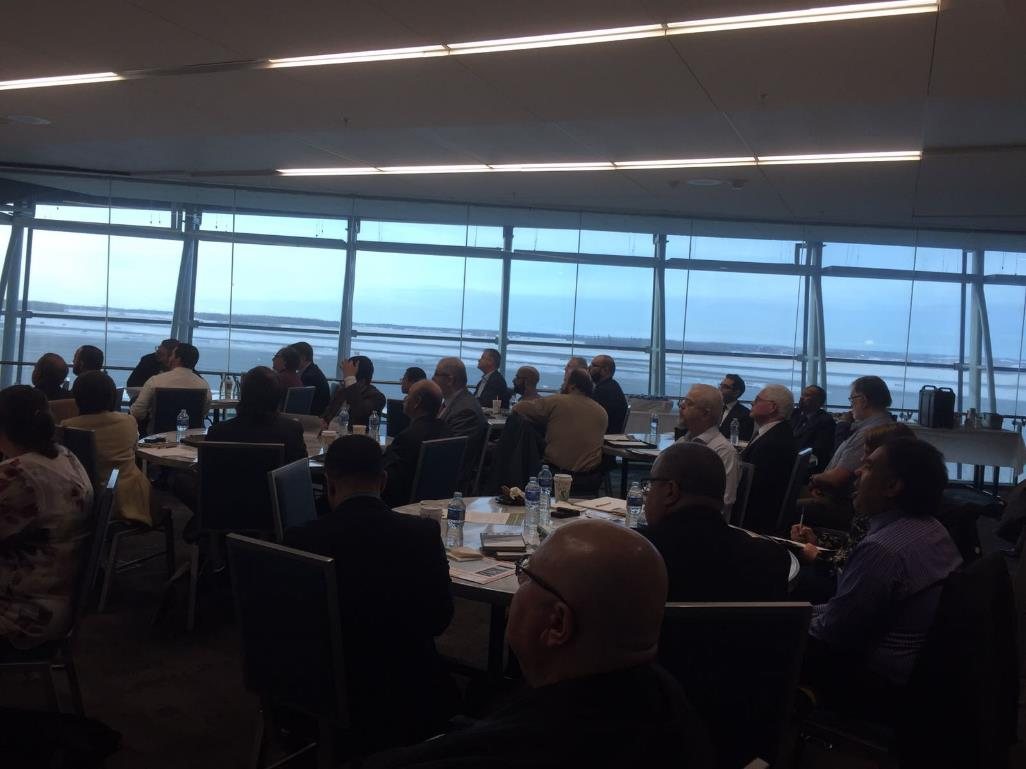
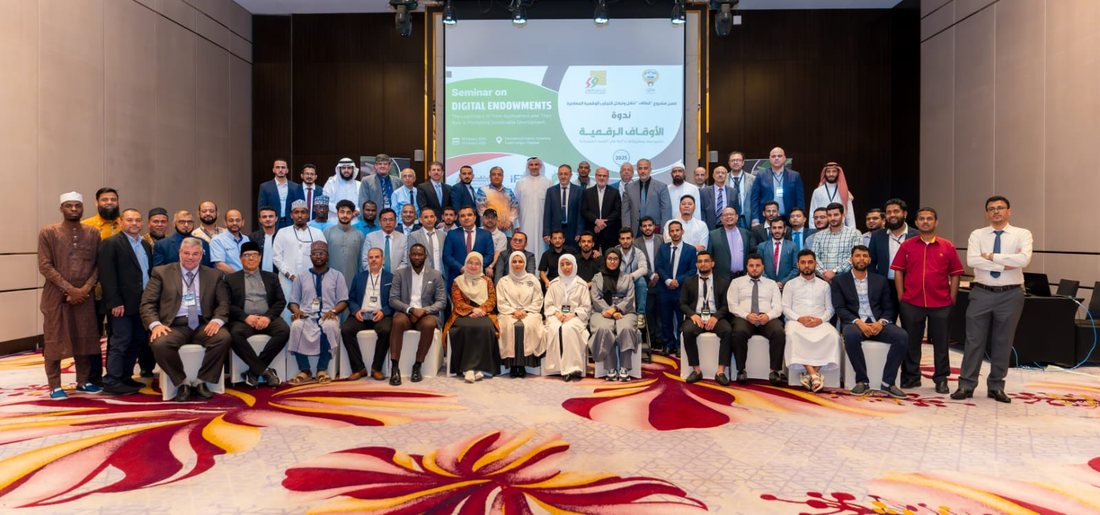
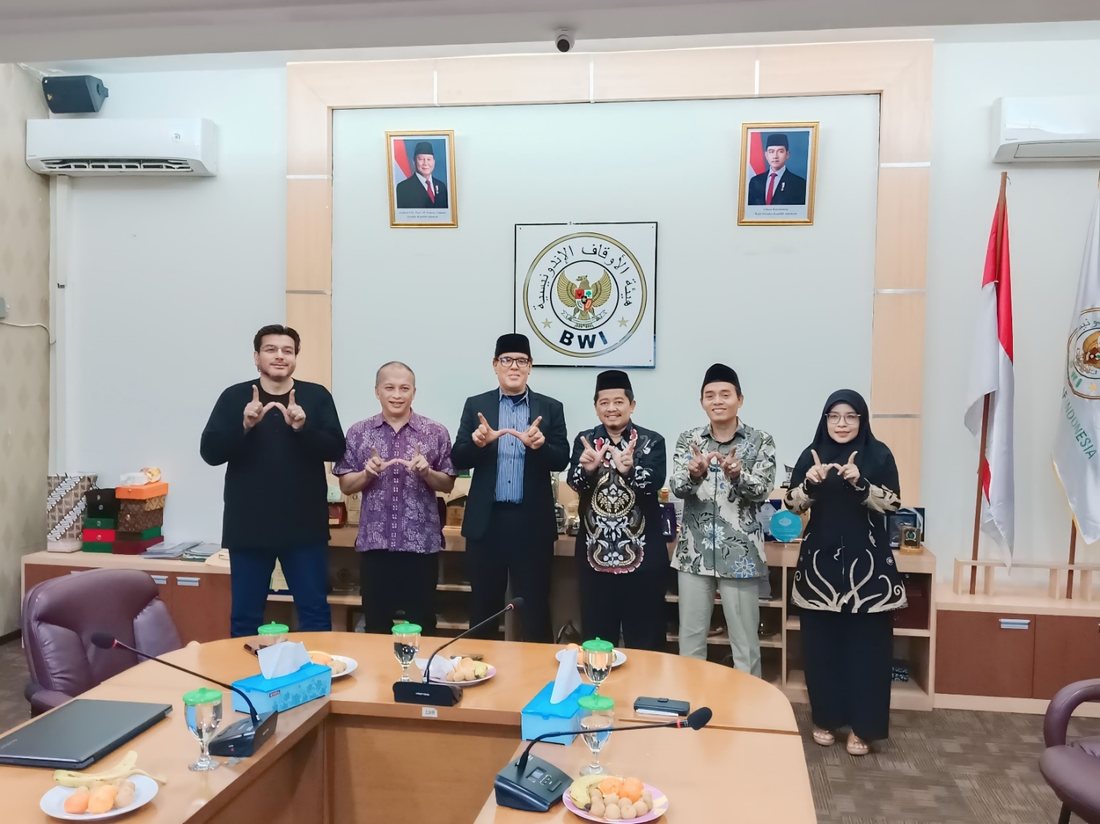
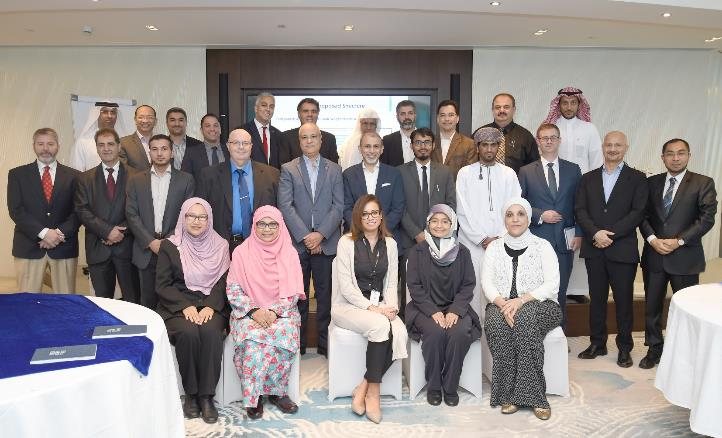
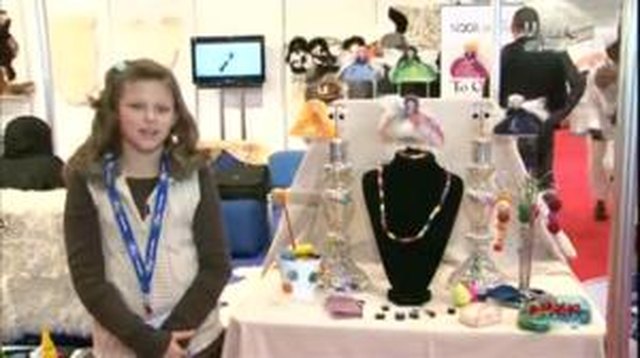
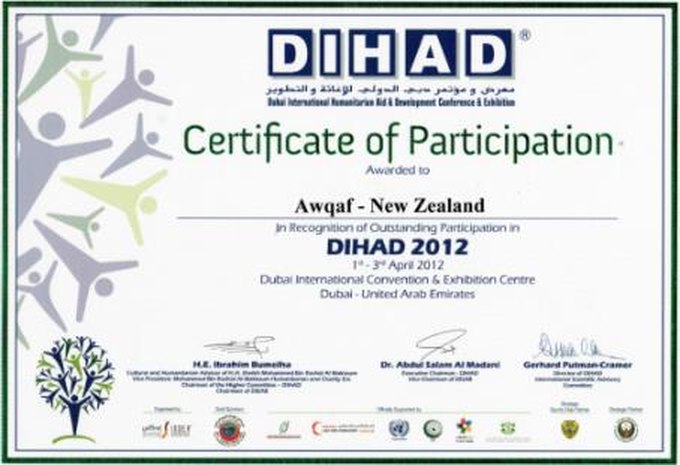
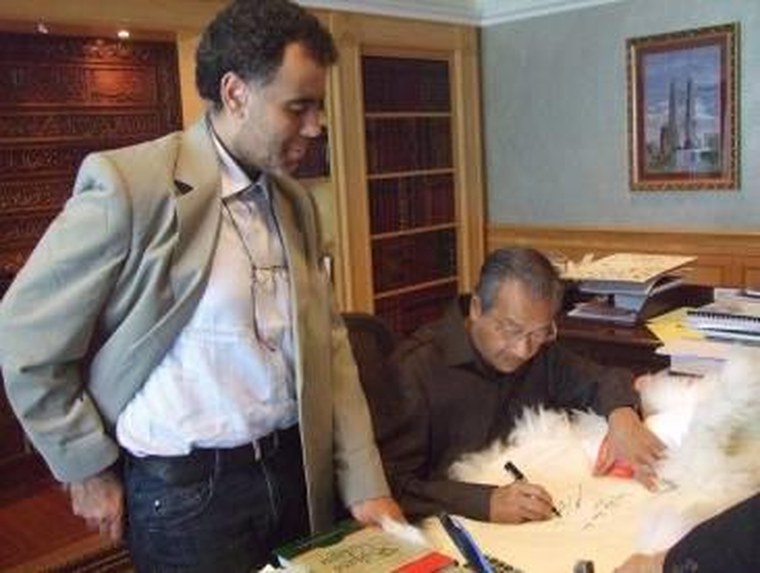
A glimpse of fifteen years — award ceremonies, international workshops, forums and partnerships.
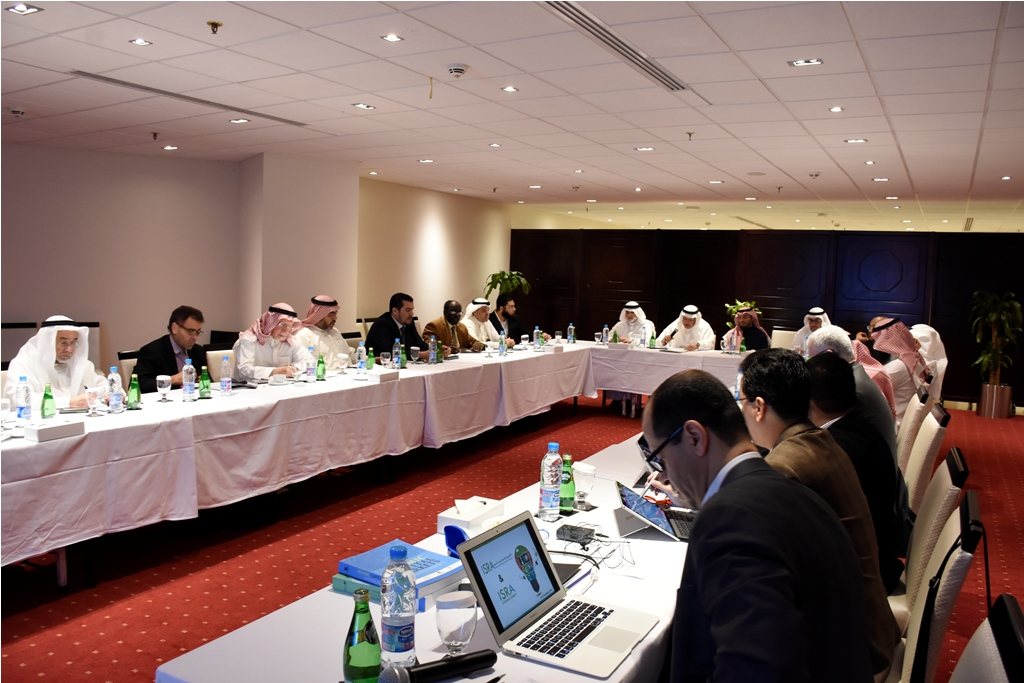
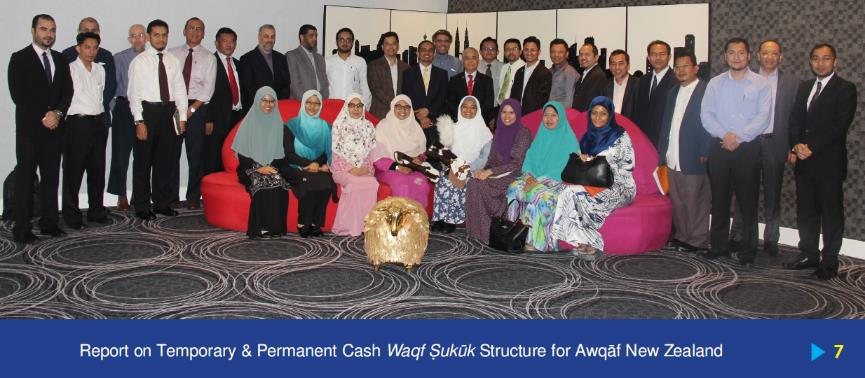
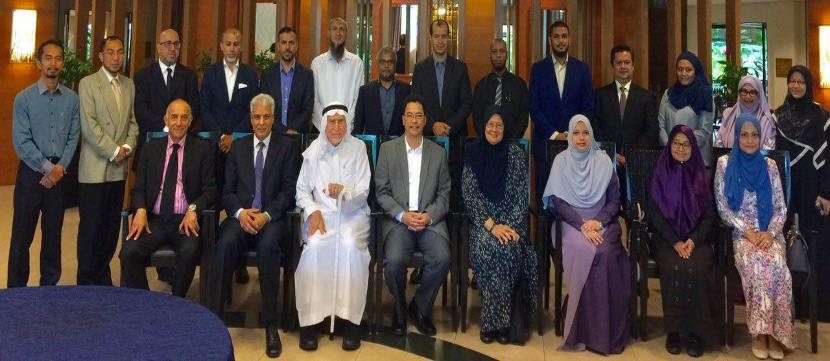
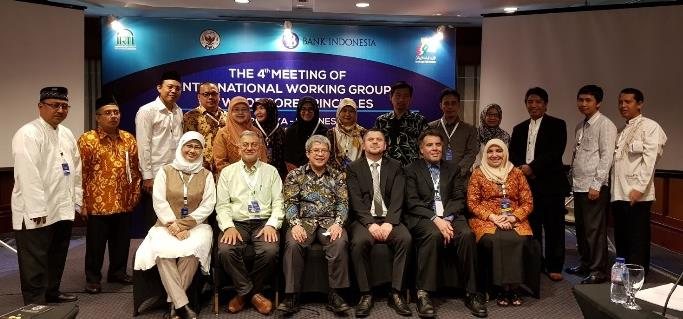
The Awqaf NZ Smart Waqf Fund is a proposed model in contemporary waqf financing. Only the cash is endowed. It is applied to income-generating assets which are not themselves waqf and may be sold, replaced or converted, provided their revenues continue to serve social development. (International Islamic Fiqh Academy, Resolution 140 (6/15), clause 3.)
Under the design, endowed cash would be applied to productive assets — farms, agri-projects and community enterprises — whose revenues fund social development and rebuild the waqf capital. No contributions have been accepted and no assets acquired.
Awqaf NZ is a pioneering reference model for “Smart Waqf”. The foundational structure was put to the ISRA Council of Scholars (International Shari'ah Research Academy for Islamic Finance, Kuala Lumpur), which approved it in general on 3 November 2016, signed by nine scholars. The model has developed since and has not been re-reviewed.
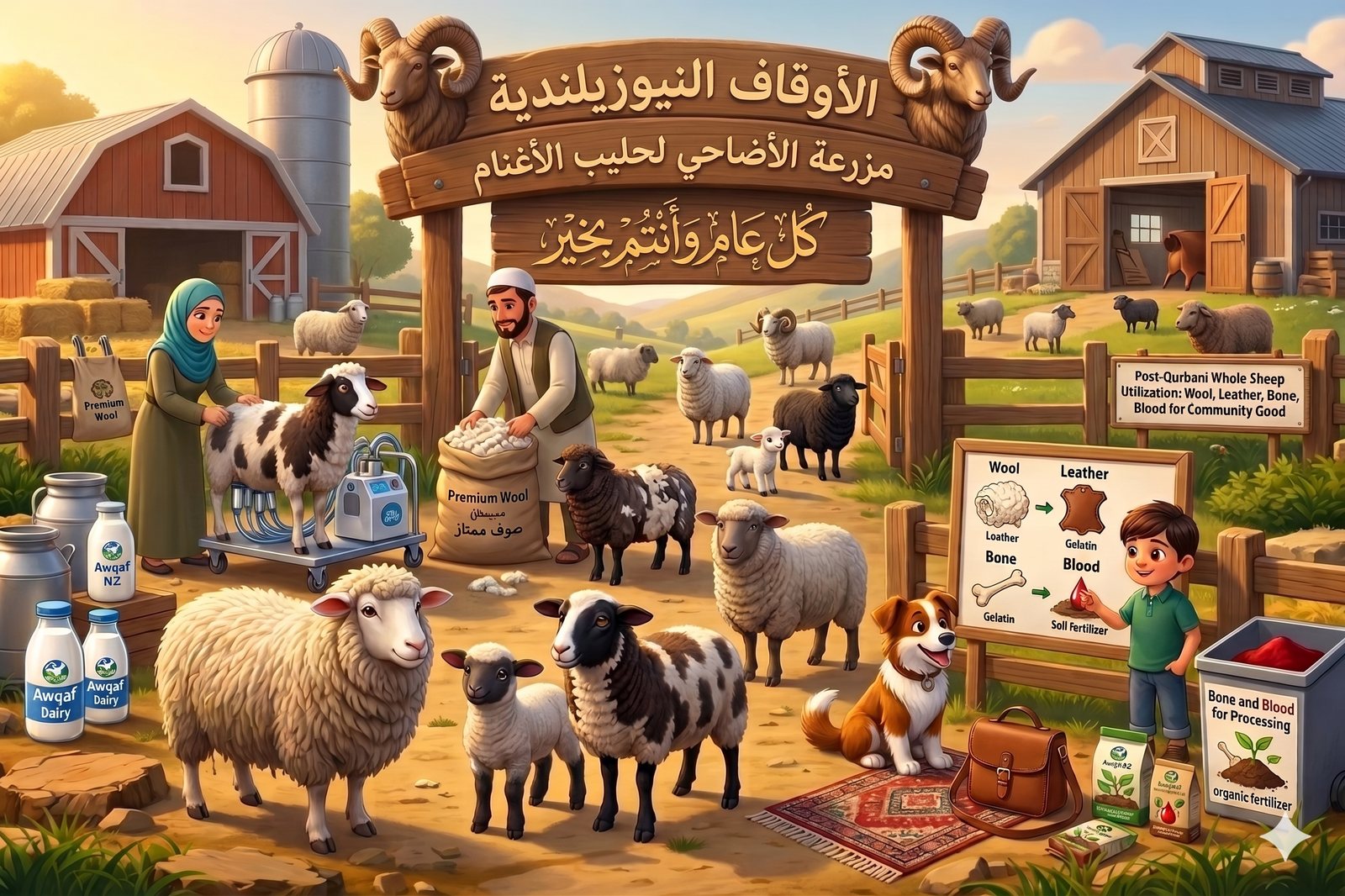
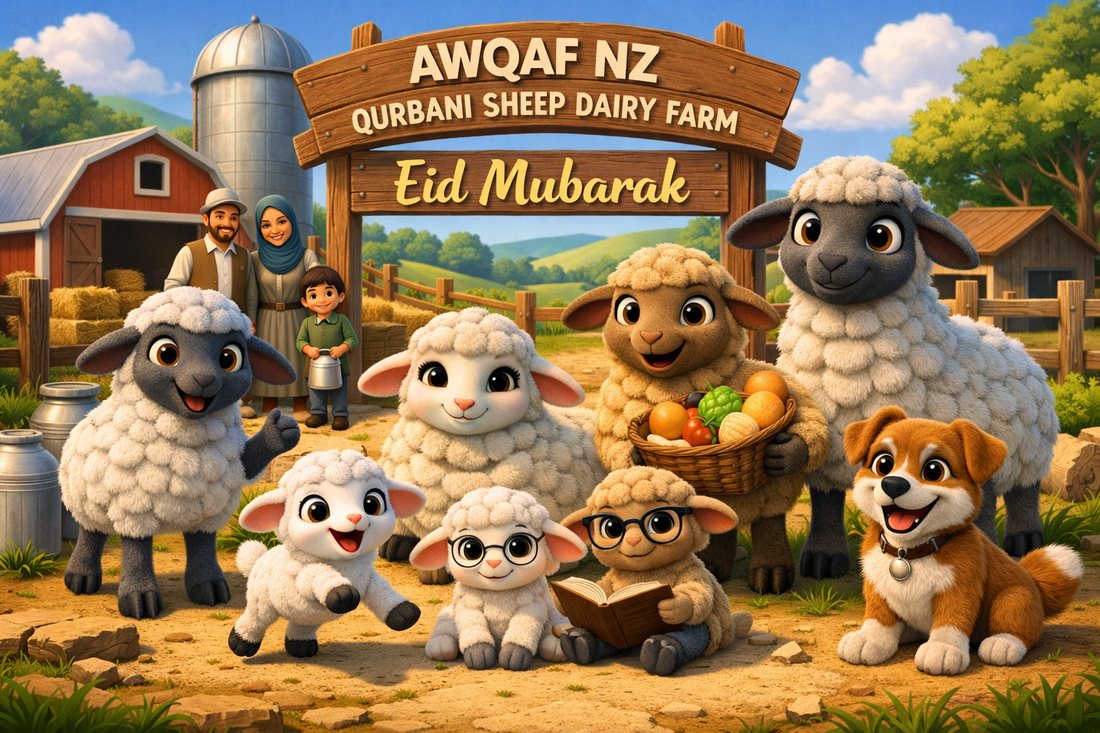
Awqaf New Zealand is pioneering a Zero Qurbani Waste model through purpose-built Qurbani Sheep-Dairy Farms (at planning / feasibility stage). Every element of the sacrificial animal — meat, milk, wool, skin, and by-products — is designed to be systematically converted into lasting economic and social value.
The 33/33/33 flock model is a design. No flock exists.